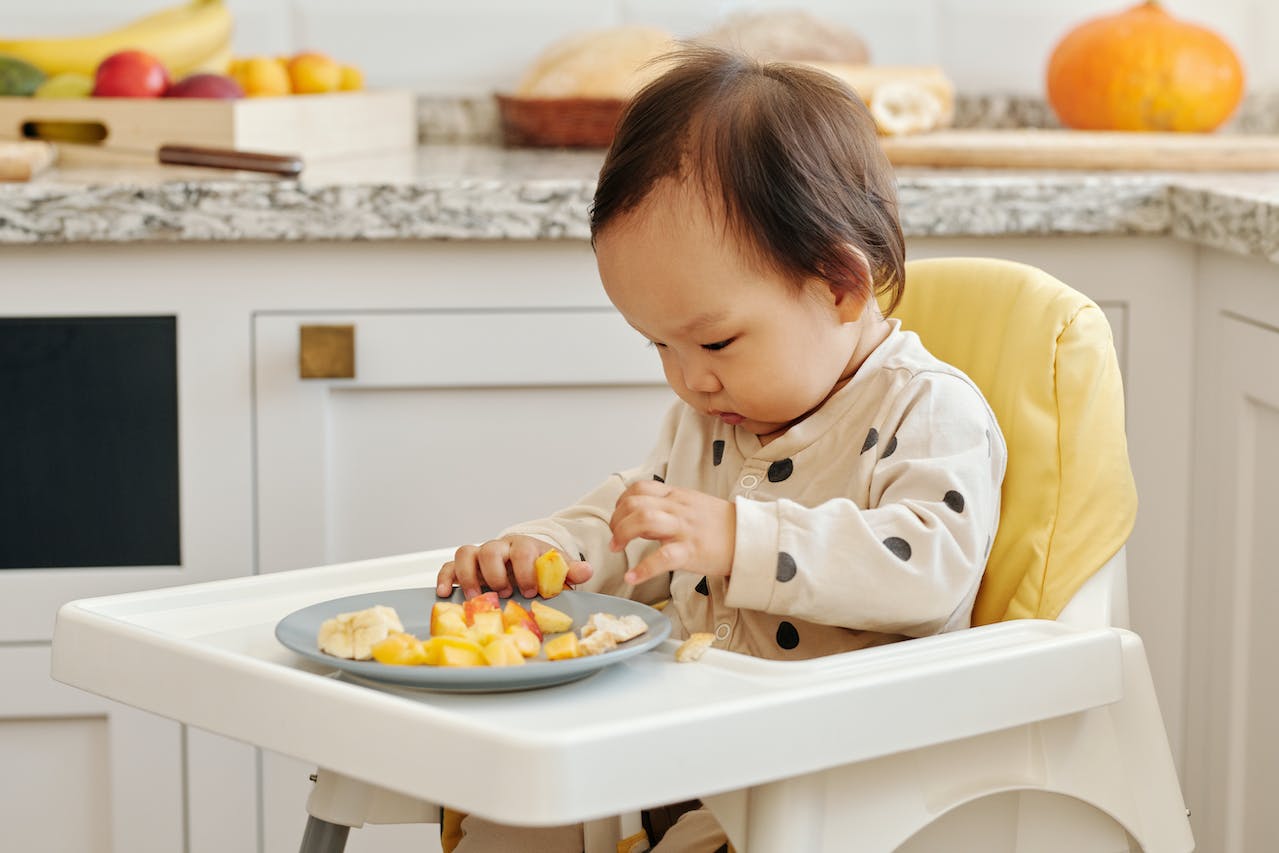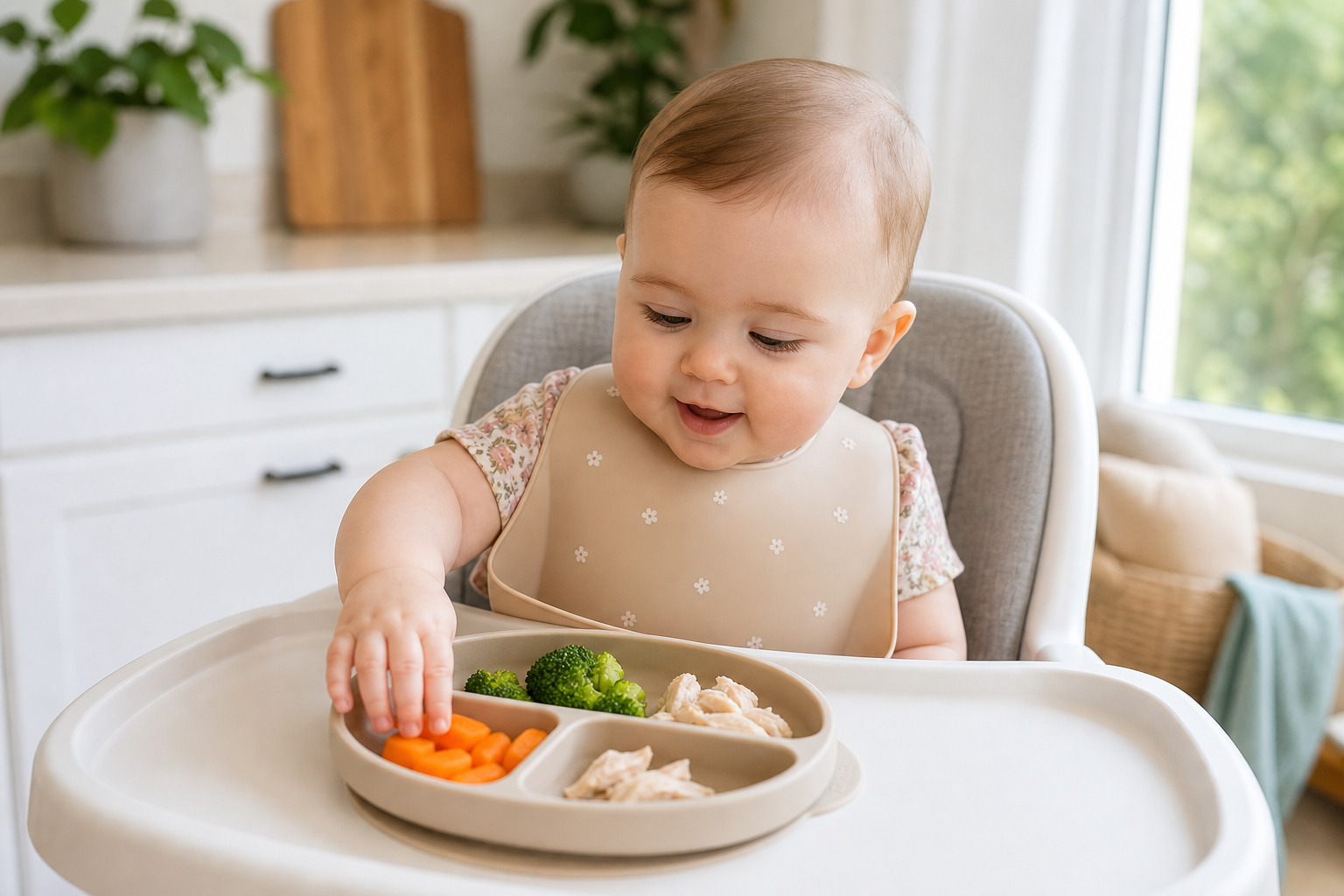
If your little one is approaching the six-month mark, you may be wondering how to introduce solid foods . One popular approach is baby-led weaning, which lets your baby take the lead at mealtime by offering soft, age-appropriate finger foods instead of spoon-fed purees. It can be a fun, messy, and rewarding way to help your baby build confidence around food.
This guide will walk you through the basics of baby-led weaning, including when to start, which foods work best, how to keep meals safe, and a few simple gear ideas to make the experience easier for everyone.
What Is Baby-Led Weaning?
Baby-led weaning is an approach to starting solids where babies feed themselves from the very beginning. Rather than purees on a spoon, you offer foods that are soft enough to mash with gentle pressure and shaped so your baby can grasp them easily. Your baby decides what to pick up, how much to eat, and when to stop.
Many parents enjoy this method because it allows their baby to explore textures, tastes, and colors at their own pace. It also encourages the development of fine motor skills and hand-eye coordination. Just remember that every baby is different, and baby-led weaning can be adapted to match your family’s comfort level.
Is Your Baby Ready?
Most babies are ready to begin solids, including baby-led weaning, around six months of age. Before starting, look for these common signs of readiness:
- Good head and neck control: Your baby can sit upright with minimal support.
- Interest in food: They watch you eat, reach for your plate, or open their mouth when food is near.
- Ability to grasp: They can pick up objects and bring them to their mouth.
- Tongue-thrust reflex has faded: They no longer automatically push food out of their mouth.
- Can swallow food: They can move food to the back of the mouth and swallow.
If you are unsure whether your baby is ready, your pediatrician can offer personalized guidance based on growth and development.
Getting Started with Baby-Led Weaning
When you are ready to begin, start with one meal a day and keep it relaxed. Many families choose breakfast or lunch as the first meal. Offer a small selection of soft foods and let your baby explore without pressure.
Here are a few simple steps to follow:
- Choose a calm moment when your baby is alert but not overly hungry or tired.
- Sit your baby upright in a safe high chair with good trunk support.
- Offer one or two foods at a time to avoid overwhelming them.
- Let your baby lead by touching, squishing, and tasting at their own pace.
- Keep milk feeds the same for now since solids are complementary at first.
Breast milk or formula will continue to be your baby’s main source of nutrition during the early months of weaning. You can gradually increase solid meals as your baby shows more interest.
Best First Foods for Baby-Led Weaning
The key to safe baby-led weaning is offering foods that are soft enough to mash between your fingers and large enough for your baby to hold. Aim for pieces about the size and shape of an adult finger so your baby can grip one end while gnawing on the other.
Some great first foods include:
- Steamed vegetables: broccoli florets, carrot sticks, sweet potato wedges, zucchini spears
- Soft fruits: ripe banana slices, avocado wedges, steamed apple slices, pear spears
- Proteins: flaked salmon, shredded chicken, soft meatballs, scrambled eggs
- Iron-rich options: soft strips of beef, lentil patties, iron-fortified oatmeal fingers
- Grains and carbs: soft toast fingers, pasta shapes, mini pancakes, polenta fries
Try to include a variety of colors and textures. Offering iron-rich foods early on is especially important since babies’ iron stores begin to decrease around six months.
Foods to Avoid
While baby-led weaning encourages exploration, some foods are not safe for young eaters. Avoid the following until your baby is older:
- Hard or raw vegetables that cannot be easily mashed
- Whole nuts, seeds, and popcorn due to choking risk
- Whole grapes, cherry tomatoes, and blueberries unless quartered or smashed
- Chunks of meat or cheese that are tough or rubbery
- Honey before 12 months because of botulism risk
- Added salt and sugar in your baby’s meals
- Unpasteurized dairy or undercooked eggs, meat, or fish
It is also wise to introduce common allergens one at a time so you can watch for reactions. Learn more about safely managing food allergies if your family has a history of them.
Essential Gear for Baby-Led Weaning
You do not need much to get started, but a few well-chosen items can make self-feeding cleaner and more enjoyable.
A Safe High Chair
A sturdy, easy-to-clean high chair with a footrest helps your baby sit comfortably and securely. Look for one with a removable tray and adjustable height so it can grow with your little one. Albee Baby carries a wide selection of high chairs and feeding seats that fit a range of spaces and budgets.
Suction Plates and Bowls
Suction-bottom dishes help keep food on the tray instead of the floor. Divided plates are especially helpful for offering a few different foods at once. A shallow bowl with a low edge also makes it easier for little hands to reach inside.
Silicone Bibs and Splash Mats
Mealtime with baby-led weaning can get messy. A soft silicone bib with a crumb catcher and a washable splash mat under the high chair can save you from constant cleanup. You can find bibs, plates, utensils, and other feeding accessories at buybuy BABY .
Easy-Grip Utensils and Cups
Once your baby gets the hang of picking up food, they may want to try a spoon or fork. Short, chunky utensils with soft grips are easier for small hands to manage. A small open cup or straw cup can also be introduced with water during meals.
Choking vs. Gagging
One of the biggest concerns parents have about baby-led weaning is choking. It is important to know that gagging is a normal reflex that helps protect your baby from choking. Gagging is usually loud, and your baby may cough or make sounds. Choking is silent and requires immediate action.
To keep meals as safe as possible:
- Always supervise your baby during meals.
- Offer appropriately sized and textured foods that your baby can manage.
- Avoid letting your baby eat while crawling, walking, or lying down.
- Learn infant CPR and choking first aid so you feel prepared in an emergency.
Staying calm during gagging episodes helps your baby learn to work through the reflex safely.
Tips for Less Mess and More Fun
Baby-led weaning is naturally messy, but a few habits can make it more manageable:
- Strip your baby down to a diaper or use a long-sleeve bib during meals.
- Start with less messy foods like avocado wedges or banana slices before moving to saucier dishes.
- Use a splash mat under the high chair for quick cleanup.
- Offer small amounts at a time and refill the tray as needed.
- Eat together as a family so your baby can mimic you and enjoy the social side of meals.
Remember that playing with food is part of learning. Squishing, dropping, and smearing are all ways your baby explores texture and develops eating skills.
Building Balanced Meals
As your baby gets more comfortable with solids, aim to include a source of iron, a healthy fat, a fruit or vegetable, and a starch at most meals. For example:
- Iron: soft scrambled egg, shredded chicken, or lentil mash
- Fat: avocado slices, hummus, or full-fat yogurt
- Produce: steamed carrots, roasted sweet potato, or ripe pear
- Starch: pasta, toast fingers, or soft rice
Over time, your baby will eat more and rely less on milk. You can use a simple feeding schedule as a flexible guide while your little one adjusts.
Final Thoughts
Baby-led weaning is a flexible, family-friendly way to introduce solids that puts your baby in charge of their eating experience. With the right safety habits, a few simple foods, and a little patience, mealtimes can become an enjoyable part of your daily routine.
Whether you choose baby-led weaning, purees, or a mix of both, the goal is the same: helping your baby develop a healthy, happy relationship with food. Trust your baby’s cues, keep meals low-pressure, and celebrate the small wins along the way.